Email newsletters continue to be one of the most reliable ways for businesses, creators, and organizations to communicate with their audiences. Unlike social media platforms, where algorithms determine who sees your content, newsletters are delivered directly to subscribers’ inboxes. This direct communication helps build trust, strengthen relationships, and keep readers informed about important updates.
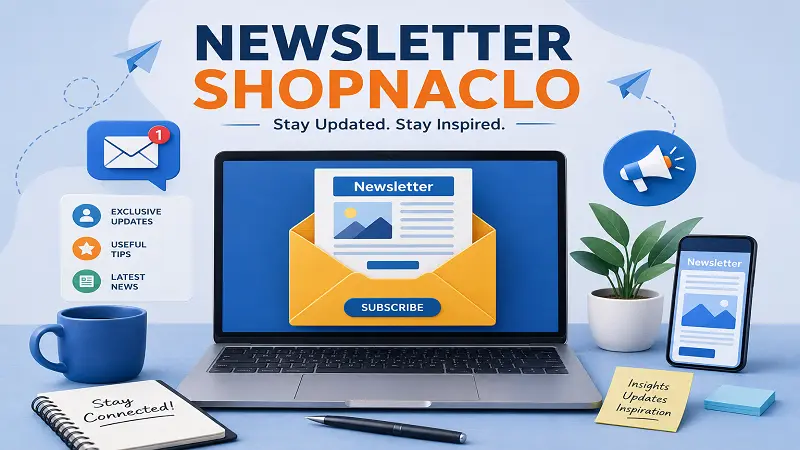
Newsletter Shopnaclo represents the growing importance of organized email communication in today’s digital environment. Whether you are a small business owner, an online seller, or a content creator, understanding how newsletters work can improve customer engagement and increase brand awareness.
This article explains the purpose of newsletters, their benefits, best practices, common mistakes, and how businesses can create effective email campaigns that provide real value to subscribers.
What Is a Newsletter?
A newsletter is a regularly distributed email sent to subscribers who have chosen to receive updates from a business, organization, or individual. These emails often contain:
- Company news
- Educational articles
- Product updates
- Industry insights
- Special announcements
- Helpful resources
- Upcoming events
Unlike promotional emails that focus mainly on sales, newsletters are designed to educate, inform, and maintain ongoing communication with readers.
Understanding Newsletter Shopnaclo
Newsletter Shopnaclo highlights the concept of using newsletters as a consistent communication channel that keeps audiences connected with useful information. Rather than sending random promotional messages, successful newsletters focus on delivering value over time.
Subscribers appreciate emails that answer questions, solve problems, or provide interesting insights. When readers consistently receive useful content, they become more likely to trust the sender and engage with future communications.
Why Email Newsletters Are Still Important
Many people assume social media has replaced email marketing. However, email remains one of the most dependable communication methods because users actively choose to subscribe.
Some major advantages include:
Direct Communication
Emails arrive directly in subscribers’ inboxes without depending on social media algorithms.
Higher Engagement
People who subscribe are usually interested in receiving updates, making newsletters more effective than untargeted advertising.
Long-Term Relationships
Regular newsletters help businesses stay connected with their audience over time.
Cost-Effective Marketing
Compared to many advertising methods, email newsletters require relatively low investment while reaching a large audience.
Better Brand Recognition
Consistent communication helps readers remember your business whenever they need related products or services.
Key Elements of an Effective Newsletter
A successful newsletter contains several important components.
Interesting Subject Line
The subject line creates the first impression. It should be short, relevant, and encourage readers to open the email.
Examples include:
- Weekly Industry Updates
- New Tips for Better Productivity
- This Month’s Business Insights
Clear Introduction
Begin with a friendly greeting that tells readers what they can expect from the email.
A concise opening immediately captures attention and improves readability.
Valuable Content
The main content should provide information that readers genuinely find useful.
Examples include:
- Educational articles
- Helpful guides
- Industry news
- Practical advice
- Customer success stories
Simple Design
A clean layout makes newsletters easier to read.
Good formatting includes:
- Short paragraphs
- Headings
- Bullet points
- Consistent spacing
- Readable fonts
Strong Call to Action
Every newsletter should encourage readers to take one simple action.
Examples include:
- Read another article
- Learn more about a topic
- Download a guide
- Register for an event
- Reply with feedback
Benefits of Sending Regular Newsletters
Businesses that consistently communicate with subscribers often experience several long-term advantages.
Builds Customer Trust
Helpful information demonstrates expertise and reliability.
When subscribers repeatedly receive useful content, trust naturally develops.
Increases Website Traffic
Interesting newsletter articles encourage readers to visit websites for additional information.
Encourages Repeat Customers
Existing customers appreciate staying informed about updates and improvements.
Regular communication keeps the business fresh in their minds.
Improves Brand Awareness
Frequent exposure helps audiences remember a company’s name, products, and services.
Supports Customer Education
Newsletters provide opportunities to explain products, answer common questions, and teach valuable skills.
Educated customers often make more confident purchasing decisions.
Best Practices for Creating Newsletters
Businesses should follow several proven practices to improve newsletter performance.
Know Your Audience
Understand subscribers’ interests before creating content.
Different audiences prefer different topics, writing styles, and email frequency.
Write Clearly
Use simple language that everyone can understand.
Avoid unnecessary technical terms whenever possible.
Stay Consistent
Choose a regular schedule such as:
- Weekly
- Biweekly
- Monthly
Consistency helps readers know when to expect new content.
Focus on Value
Every newsletter should provide useful information.
Avoid sending emails only to promote products.
Personalize Content
Using subscriber names and recommending relevant topics creates a more engaging experience.
Optimize for Mobile Devices
Many people read emails on smartphones.
Responsive layouts improve readability across all screen sizes.
Common Newsletter Mistakes
Even experienced marketers sometimes make avoidable mistakes.
Sending Too Many Emails
Excessive emails can overwhelm subscribers and increase unsubscribe rates.
Poor Subject Lines
Boring or confusing subject lines reduce open rates.
Large Blocks of Text
Long paragraphs discourage readers.
Breaking content into sections improves readability.
Ignoring Analytics
Tracking email performance helps identify what works and what needs improvement.
Useful metrics include:
- Open rate
- Click rate
- Unsubscribe rate
- Conversion rate
Lack of Consistency
Sending newsletters irregularly makes it difficult to maintain audience engagement.
Measuring Newsletter Success
Businesses should monitor performance regularly.
Important indicators include:
Open Rate
Measures how many subscribers opened the email.
Click-Through Rate
Shows how many readers clicked links inside the newsletter.
Subscriber Growth
Tracks how quickly the email list expands.
Unsubscribe Rate
Indicates whether readers remain satisfied with the content.
Reader Feedback
Direct responses often provide valuable suggestions for future improvements.
Future Trends in Email Newsletters
Email newsletters continue evolving alongside technology.
Emerging trends include:
- AI-assisted content creation
- Personalized recommendations
- Interactive email elements
- Improved audience segmentation
- Automation workflows
- Better analytics tools
These innovations help businesses deliver more relevant content while improving efficiency.
Tips for Long-Term Newsletter Success
Organizations should focus on continuous improvement rather than short-term results.
Helpful strategies include:
- Understand subscriber interests.
- Publish consistently.
- Test different subject lines.
- Keep designs clean.
- Use engaging visuals.
- Review performance data regularly.
- Encourage reader feedback.
- Maintain high-quality content standards.
Following these practices creates stronger subscriber relationships over time.
Conclusion
Email newsletters remain one of the most effective digital communication tools available today. They allow businesses to share valuable information, educate customers, strengthen relationships, and maintain consistent engagement without relying entirely on social media platforms.
Newsletter Shopnaclo demonstrates how thoughtful, informative email communication can support long-term audience growth. By focusing on valuable content, clear organization, consistent publishing, and reader needs, businesses can build newsletters that subscribers genuinely enjoy reading.
Organizations that prioritize quality over quantity and continuously improve their email strategy will be better positioned to maintain customer trust, increase engagement, and achieve sustainable growth in an increasingly competitive digital landscape. See More